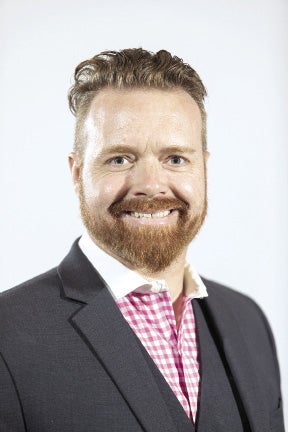
In preparation for a panel discussion at WBJ’s Champions of Health Care Awards & Forum on Dec. 16, Rozanna Penney told me the most pressing issue for the long-term financial stability of hospitals is the hollowing out of America’s middle class. As president and CEO of Heywood Healthcare, Penney led the Gardner-based organization through a bankruptcy last year.
Heywood – like all other hospitals – is losing its paying customers. Legally, the hospital can’t turn away patients who cannot afford to pay, so Heywood has to eat the costs of caring for those who can’t afford it. Even if a patient has government-provided insurance like MassHealth, the reimbursement rates are typically below the cost of providing care. To make up for this, hospitals rely on patients with private insurance, in order to consistently operate in the black.
Yet, more people are moving into the lower bracket, as costs rise and wages stagnate. And there’s not enough high-income customers to make up the difference. This problem goes way beyond Heywood and health care. As the middle class fades, businesses who rely on people having at least some expendable income – or at least enough income to cover all their basic needs – will not have the necessary customer base to thrive.
The widening income disparity between rich and poor is illustrated in vivid terms in Staff Writer Mica Kanner-Mascolo’s story “Poverty wages”. The median employee compensation at Framingham retail parent company TJX is $15,0002, below the federal poverty level. The main reason for this low median wage is a sizable chunk of TJX employees are part-time in a corporate system designed to keep benefit costs low and discourage unionization. Meanwhile, TJX President and CEO Ernie Herrman is the highest-paid public company CEO in Central Massachusetts, having brought home $23 million in fiscal 2024.
An economy only truly works if it works for everybody, from birth to death. A capitalist system will always have high earners and low-income people, but if a rising percentage of people work their entire careers to only live at a subsistence level, be unable to afford a retirement, and die prematurely, then the system is not sustainable.
We all must work jointly to reverse this trend. Or we can keep closing hospitals and other businesses that rely on the middle class, which is basically all businesses.
Brad Kane is editor of the Worcester Business Journal.

