Worcester, a city that was once considered affordable – even cheap for some – is becoming more and more costly to live in.
A 2024 report by Forbes Advisor ranked Worcester as the third-most competitive rental market in the nation. In August, the median price for a single family home was $435,000, representing a 3.6% increase from August 2024, according to The Warren Group.
As what happens whenever the cost of living rises in an area, there are those left with no choice other than to relocate out of Worcester. And while there isn’t readily apparent data documenting those leaving Worcester like there is for Boston, advocates emphasize the trend is growing.
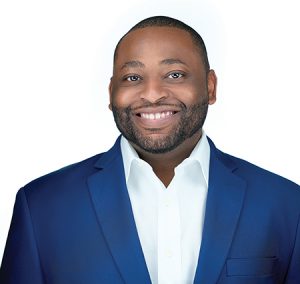
Moses Dixon, president and CEO of Senior Connection
“Particularly in some of the rural communities outside of Worcester, there's been sort of a mass exodus of seeing more diverse folks in the rural communities in the last three years,” said Moses Dixon, president and CEO of the Worcester nonprofit Senior Connection.
Not only are these diverse populations moving away from their old residences, they’re moving away from their healthcare providers. The lack of a robust regional transit system combined with systemic barriers marginalized communities face, more former Worcester residents are struggling to gain access to both primary and specialty care from their new rural homes.
The migration has left healthcare providers and social service nonprofits with the challenge of finding new ways to bring people to the necessary services, or bring the services to them.
Transportation needs
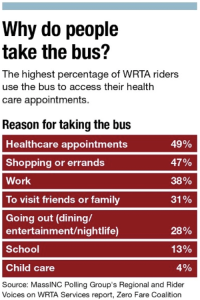
At 49%, almost half of Worcester Regional Transit Authority riders use the bus to go to healthcare appointments, more than the 47% using the bus to get to work and the 13% using it for school, according to a MassINC study surveying 500 riders from 16 WRTA-serviced cities and towns.
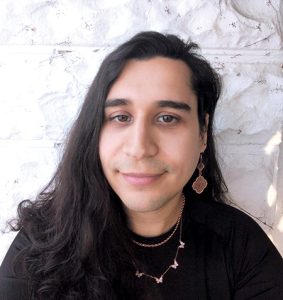
Asa Reyes, an organizer with the Zero Fare Coalition
In total, the WRTA services 37 communities in Central Massachusetts, 19 of which are designated as rural by the Massachusetts State Office of Rural Health, such as Barre, Clinton, and New Braintree.
“It's been a lifeline for people,” said Asa Reyes, an organizer with the Zero Fare Coalition in Worcester.
Additionally, Worcester County is a Health Professional Shortage Area, a federal designation for areas in which there are 3,500 or more patients for every primary care provider, according to the Cicero Institute, an Austin-based public policy organization.
“Access to reliable, affordable public transportation is really considered and viewed as essential to community members for accessing primary care appointments, even getting to like urgent care at times, really any kind of form of medical care for our health equity populations,” said Tempe Staples, research and evaluation coordinator for Coalition for a Healthy Greater Worcester, which works with Zero Fare.
Reasons for taking the bus chart
Through community listening sessions, Zero Fare has consistently received feedback that accessing the WRTA is the make-or-break component for whether riders will make it to their doctor’s appointment, she said.
Healthcare providers have shared with Zero Fare that many patients who routinely struggle to make their appointments are then labeled as non-compliant and are subsequently slapped with no show or late fees over and over again.
Individuals who are most impacted by these labels and fees are those who disproportionately rely fully on the WRTA, said Staples, and those community members are typically non-white, English isn’t their first language, and they’re living well below the federal poverty line.
Additionally, many WRTA riders are members of new arrival communities, said Anne Bureau, program director in the Seven Hills Foundation’s Community Connections Coalition program, who works with Zero Fare.
The bus has proven invaluable for new arrivals, Bureau said, as many don’t have access to a driver’s license or the funds for a car.
Anne Bureau, program director in the Seven Hills Foundation's Community Connections Coalition program
While WRTA has been fare-free for nearly five years, the Zero Fare coalition continues to recognize other aspects of the system to make it more accessible, including more stops for rural communities.
“There's a never ending need to consistently improve,” said Bureau. “Not just bare minimum access to the bus, but quality, dignified access to the bus for those of different mobilities.”
Diverse needs
In 2024, Senior Connection launched its Care Express Bus, a mobile clinic offering free medication management; health, dental, and vision screenings; and referral services to older adults within 61 cities and towns in Central Massachusetts.
Dixon was inspired to create the mobile care bus after witnessing the challenges seniors faced, especially in rural areas, to access health care during the COVID pandemic.
Today, Senior Connection is working to designate the Care Express Bus as a Rural Health Clinic, which will allow the organization to provide a broader outreach with more services, such as preventative screenings.
To further enhance its reach, the organization has partnered with the Worcester-based Center for Health Impact, which offers translation and medical interpretation services and Community Health Worker trainings for Senior Connection.
Joanne Calista, CEO of Center for Health Impact
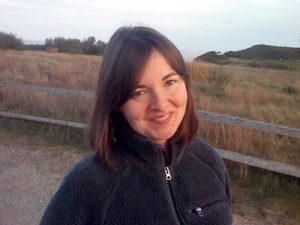
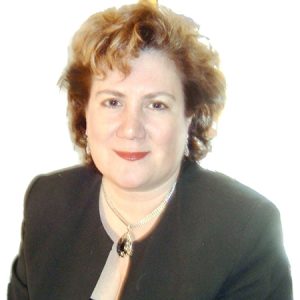
Joanne Calista, CEO of Center for Health Impact, has seen first-hand people being priced out of Worcester, moving to rural communities without substantial healthcare systems.
“It particularly pains me to hear of people that have been in Worcester for many generations having to move out,” she said.
While she sees all groups suffer when there is limited access to health care, Calista said diverse and marginalized communities can experience exacerbated disparities. This includes accessing providers with specific language and cultural competencies, an issue already readily present in urban areas.
“There's less folks that represent the people that they serve,” she said.
The Center for Health Impact steps in to help fill that service gap.
With its partnership with Senior Connection, the center especially works to train community health workers to better meet the needs of the Senior Connection’s Grandparents Raising Grandkids program: an eponymously-named initiative offering expansive services to grandparents raising their grandchildren, including healthcare, advocacy, legal aid, rental assistance, and financial literacy.
Community health workers are state-certified public health workers who bridge cultural and language gaps, offering a wide range of services from health education to care coordination to health screenings, according to the Massachusetts Department of Public Health.
Senior Connection provides Grandparents Raising Grandchildren to rural communities through its Care Express Bus, and the Center for Health Impact trains CHWs to understand the nuanced experience of being a grandparent caregiver of a grandchild.
“We focused on a lot of the unique challenges. While it can be joyful to step in and raise a grandchild, oftentimes, the circumstances are very difficult,” said Calista.
A parent may not be able to care for their child due to death, incarceration, or an overdose, she said, and the grandparents now have additional financial responsibilities making them unable to retire when they had planned.
Between 65% to 70% of the CHWs the Center for Health uses are people of color or those who have emigrated from other countries.
“That also helps folks to broker those divides and sometimes mistrust with the healthcare system,” Calista said.
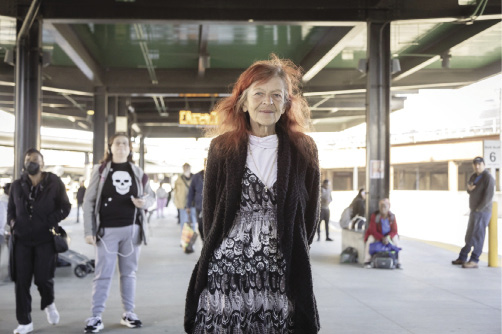
Terry Cherry, a member of the Zero Fare Coalition, is a frequent rider of the WRTA bus., PHOTO COURTESY OF ZERO FARE COALITION
In-house healthcare
CHWs have proven vital in Dr. Apurv Soni’s work in bringing clinical care to people’s homes, especially for those in rural communities.
Among the initiatives Soni and his team are working on is their Skilled Nursing Facility at Home trial. Soni is an assistant professor of medicine and director of the Program in Digital Medicine at UMass Chan Medical School.
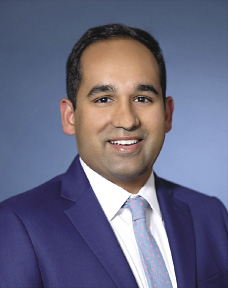
Dr. Apurv Soni, assistant professor of medicine and director of the Program in Digital Medicine at UMass Chan Medical School PHOTO COURTESY OF UMASS CHAN MEDICAL SCHOOL
The MassHealth-funded initiative aims to provide a skilled nursing facility level of care in people’s homes, with minimal technology required on the patient’s part. The completed SNF at Home program would bring physical and occupational therapists, nurses, and rehab to patients’ homes along with remote monitoring at UMass Memorial and the assistance of CHWs.
Soni is working on a Healthy at Home pilot study for patients with COPD.
“At the first sign of illness, we can reach out to them and see if we can do early intervention or manage it so that they don't worsen to the point where they need to be hospitalized,” said Soni.
Through the program, CHWs would become the eyes on the patient as they help them set up and troubleshoot any necessary technologies, he said.
Additionally, the program would equip community paramedics with digital and AI technologies to allow them to provide higher levels of care. For example, they could use digital stethoscopes that guide paramedics, record exams, and analyze results.
These workers would then collaborate in conjunction with the rest of a patient’s care team, creating a comprehensive network of providers who deliver care to patients, no matter how far from the hospital or physician's office they are.
“Community paramedics become your hands on the patient. And then the central healthcare worker, physicians, nurses, nurse practitioner, pharmacist become the brain on the patient,” Soni said.
Before he assumed his current role, while completing his medical degree and PhD, Soni established an academic collaboration between UMass Chan and a rural medical center in Gujarat, India, which informed his work in research and clinical innovation.
The partnership saw community health workers travel to rural homes, using smartphone technology to perform population-based screenings for conditions such as hypertension and atrial fibrillation. The program found the burden of atrial fibrillation was 30 times higher than what had been previously reported in India.
Over the past 10 years, the program has served more than 300,000 individuals throughout 250 villages.
“What they taught me was you can – with the right people, right technology – you can bring science and medicine to people's homes,” said Soni, “and if you could do that in the rural, western part of India, we should be able to do that in Worcester.”
Mica Kanner-Mascolo is a staff writer at Worcester Business Journal, who primarily covers the healthcare and diversity, equity, and inclusion industries.