Housing conversions, technology development, and a possible housing reset are all on the table for 2026.
Fed rates are down, but borrowing costs remain high, as is uncertainty over the impact of trade and immigration policies. While the country’s economy sits at a crossroads, the local real estate industry will continue to benefit from Central Massachusetts’ persistent growth.
Housing reset?
There’s some indicators that some degree of a housing market reset is underway. The region has begun to see an increase in inventory and a slowing of persistent price increases, and both of these should continue in 2026.
On the rental side of things, each quarter in 2025 saw Worcester County’s year-over-year asking rent growth slow, with 2026 expected to bring more modest increases than in previous years. But even with an increase in new construction, rents are still climbing faster than the national and state averages.
Employers will have to worry about the impacts of housing costs on the local talent pool, while investors will seek out existing multifamily properties for purchase.
Office conversions continue
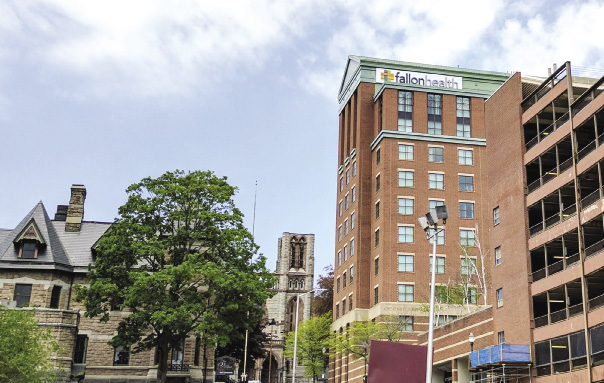
With the ongoing redevelopment of the former Fallon Health headquarters in Downtown Worcester into apartments and plans to turn a former EMC site in Southborough into a Costco, expect an acceleration of office conversion projects in 2026. This is particularly true for MetroWest, where vacant offices are abundant.
Data and power
Advanced manufacturing and AI are resulting in high premiums for properties containing the necessary infrastructure to meet demand, while environmental codes are increasingly mandating all-electric utilities in residential and other types of buildings.
Expect a lot of talk about energy demand in 2026, and an escalation of debates over how to meet shorter-term needs while hitting longer-term climate goals.
Eric Casey is the managing editor at Worcester Business Journal, who primarily covers the manufacturing and real estate industries.