A rapidly aging population and a shortage of available homes are creating a senior housing crunch in Central Massachusetts.
The region is projected to add 14,800 households headed by individuals age 70 or older between 2025 and 2035, according to the Massachusetts Executive Office of Housing and Livable Communities’ Central Massachusetts Housing Snapshot.
The housing market – already struggling to meet demand – faces additional pressure as older residents looking to downsize face limited options. In addition, seniors on fixed incomes confront rising maintenance and utility costs in a struggle to stay in their homes, and others with lower incomes see years-long waits for affordable units.
Meanwhile, rising construction costs, high interest rates and zoning challenges are making it increasingly difficult for developers to build new housing, leaving the region – and the state – struggling to accommodate its rapidly aging population.
Understanding the Housing Gap
The Central Massachusetts Regional Planning Commission (CMRPC) projects a housing shortfall of approximately 6,000 units over the next five to 10 years. According to the organization’s latest Regional Housing and Transportation Study, 14,000 to 15,000 housing units are needed to accommodate the projected population, but only 8,000 to 9,000 units are expected to be permitted for future construction, leaving a shortfall.
The elderly population also faces a crossroads, as seniors have different housing needs depending on whether they wish to age in place or downsize. Those remaining in their homes face rising maintenance and utility costs, while those looking to downsize compete with a younger generation seeking starter homes. As a result, limited housing stock is pitting generations against each other in an increasingly competitive market.

“What we don’t have a lot of in our region would be smaller, more accessible homes,” said CMRPC Planning and Transportation Researcher Jordan Hollinger. “A lot of our housing stock is older. … So, there’s a whole slew of housing typologies that we don’t see a lot of, and we call that missing middle housing.”
Building more housing units would address the shortage, but strict zoning bylaws can discourage developers. Even in communities where multifamily housing is taking place, development is often limited to three units per parcel.
CMRPC is also exploring alternative housing solutions, including a new three-year HomeShare program in Worcester. Funded through the Massachusetts Community Health and Healthy Aging Funds, the pilot program will connect older homeowners who have extra space with individuals looking for affordable housing. The goal is to help seniors age in place while making more housing available to those who need it.
Building Senior Communities

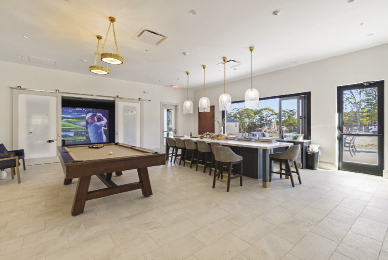
Age-restricted housing offers older adults an opportunity to downsize without sacrificing independence, often with resort-style amenities.
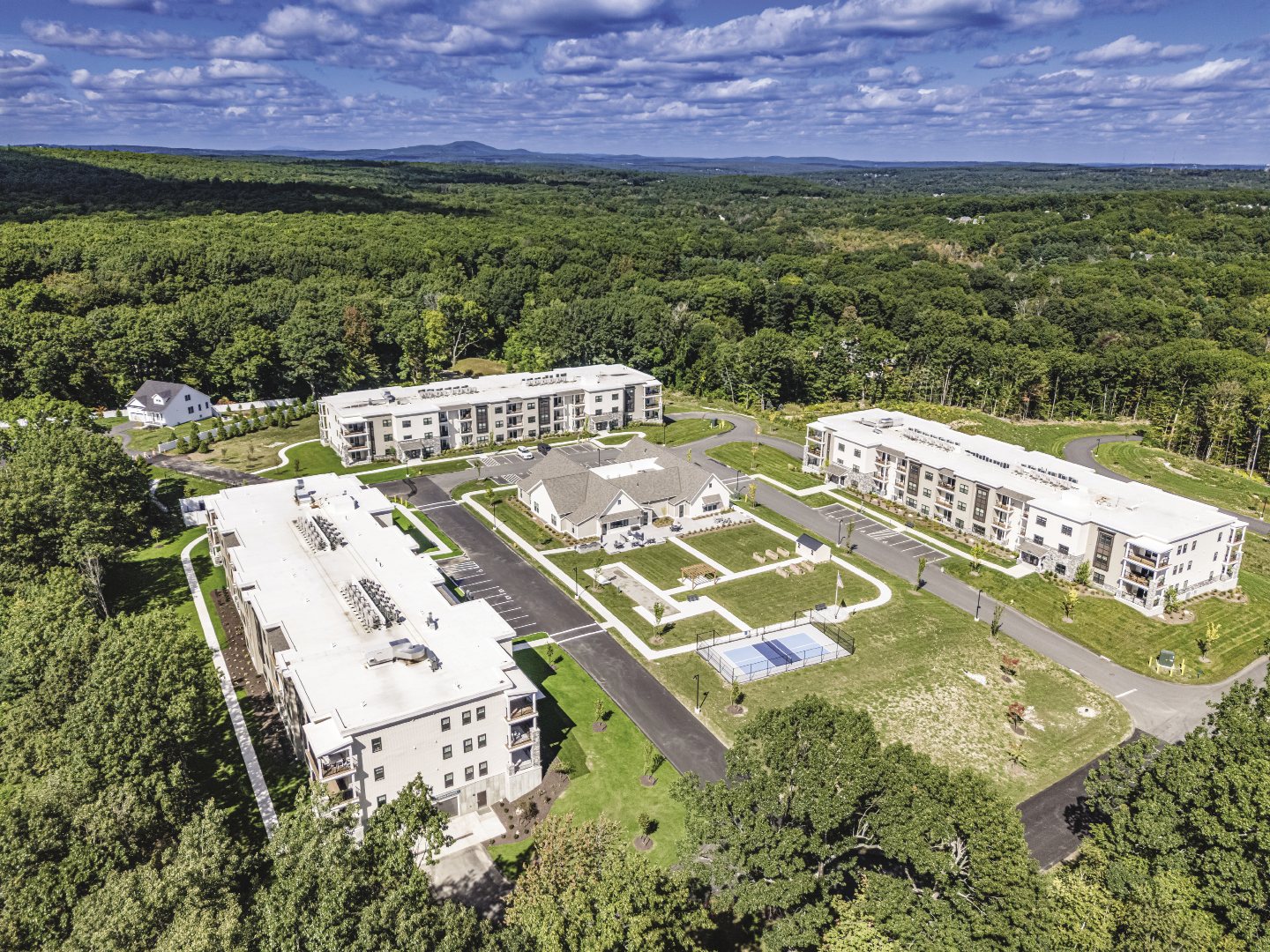
One example is The Arbella at Bramble Hill in Worcester, a 123-unit, market-rate community developed by United Group of Companies for adults 55 and older. The complex is situated on Arbella Drive off Salisbury Street.
According to Michael DiGiacomo, chief operating officer at United Group, developments like The Arbella could also help alleviate the broader housing shortage by freeing up single-family homes for younger generations.
“When someone chooses to downsize from a single-family home into an active adult community, that home may become available to a younger household or growing family,” DiGiacomo explains.
However, DiGiacomo says one of the biggest challenges facing developers is the cost and complexity of bringing new housing to market. Rising construction costs, higher interest rates and stricter lending requirements are complicating project feasibility, even as demand for senior housing continues to grow.
“The demand exists. The challenge is making sure we can deliver quality housing at a cost that works for both the development and the people who will ultimately call it home.”
Finding housing hope amid a shortage
The housing shortage is even more severe for older residents who cannot afford market-rate senior communities.
The Worcester Housing Authority said the demand for affordable housing for senior citizens is increasing.
The WHA operates four federally funded senior-only buildings, totaling more than 800 apartments, along with Greenwood Gardens, a 62-unit, state-funded development serving seniors and people with disabilities.
Housing authority CEO Alex Corrales said about 10,000 elderly applicants are on the WHA’s public housing waitlists, with waits of three to five years or longer. The federal public housing waitlist has been closed.
Corrales said the problem is a lack of affordable apartments for people who need them.
“The problem is that we have about 3,000 apartments in our entire portfolio, of which about 1,500, give or take, are for the elderly and disabled individuals. It just isn’t enough,” Corrales explains.
Another obstacle is turnover. Seniors often remain in their apartments for 15 to 20 years or longer, meaning few apartments become available for people on waiting lists.

In response, the Worcester Housing Authority is working to expand its affordable housing supply through redevelopment plans and public-private partnerships. Plans for Curtis Apartments call for replacing 372 aging units and adding 157 more, while the ongoing Lakeside Apartments redevelopment will increase units from 202 to approximately 350.
Both developments would also significantly increase the number of accessible apartments.
One ambitious project is Booth Apartments on Haven Lane in Worcester. The property, encompassing more than 7 acres, currently contains 44 apartments. Corrales hopes to redevelop the site into 200 to 300 senior housing units.
His vision also includes on-site healthcare, nutrition services, and social programming to help older residents remain healthy and connected to their community.
However, rising construction costs remain a challenge, with each new housing unit in Worcester costing between $400,000 and $600,000 to build. Those costs, combined with increased competition for state funding, have left insufficient resources to meet demand.
Corrales believes there are multiple solutions available if organizations begin to think outside the box. He said using modular housing to reduce construction costs and encouraging other towns throughout the region to welcome affordable housing development could help alleviate the shortage.
“The hope is that you’ll start seeing more housing being built, not just in Worcester, but in the surrounding towns as well,” he said
